
Golden Triangle Itinerary Guide: How to Plan Delhi, Agra & Jaipur in 5-7 Days
Delhi, Agra and Jaipur form India's most travelled first-time itinerary for a reason — three cities, three completely different characters, all reachable from each other in under half a day's drive. This guide walks through how the route actually works, how many days you genuinely need, sample day-by-day plans for both a 5-day and 7-day version, and how to extend it if you have more time.
What Is the Golden Triangle, and Why It Works
The "Golden Triangle" refers to the roughly triangular route connecting Delhi, Agra and Jaipur, three cities that between them cover Mughal imperial history, India's most famous monument, and Rajasthan's fort-and-palace heritage — without requiring long-haul internal flights or overnight trains to link them. The full loop covers around 720km, comfortably manageable by private car over 5-7 days, with each leg of the drive taking between 3 and 6 hours depending on route and traffic.
It's become the standard first-time-in-India itinerary largely because it packs so much variety into a short, logistically simple loop — which is exactly why it also gets criticised as rushed if you try to compress it into anything under 5 days.
The History Behind the Route
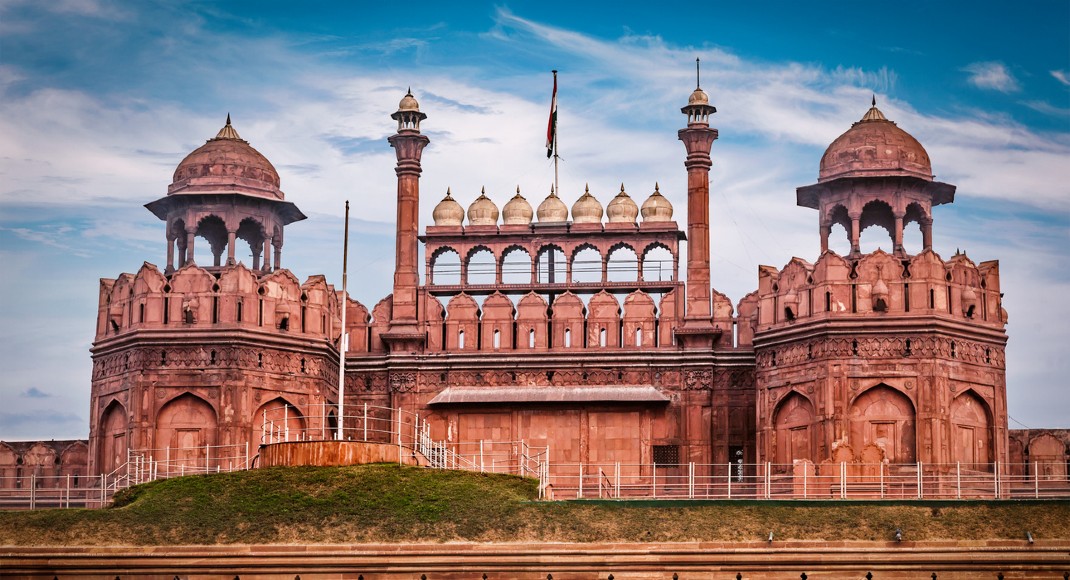
Each of the three Golden Triangle cities represents a different chapter of the same broader story. Delhi has served as a capital city, in one form or another, for over a thousand years and under several successive dynasties — the Delhi Sultanate, the Mughal Empire, and later British India — which is why its monuments span such a wide range of styles, from the Qutub Minar's 12th-century Indo-Islamic architecture to the Mughal-era Red Fort to the colonial-era government buildings around India Gate.
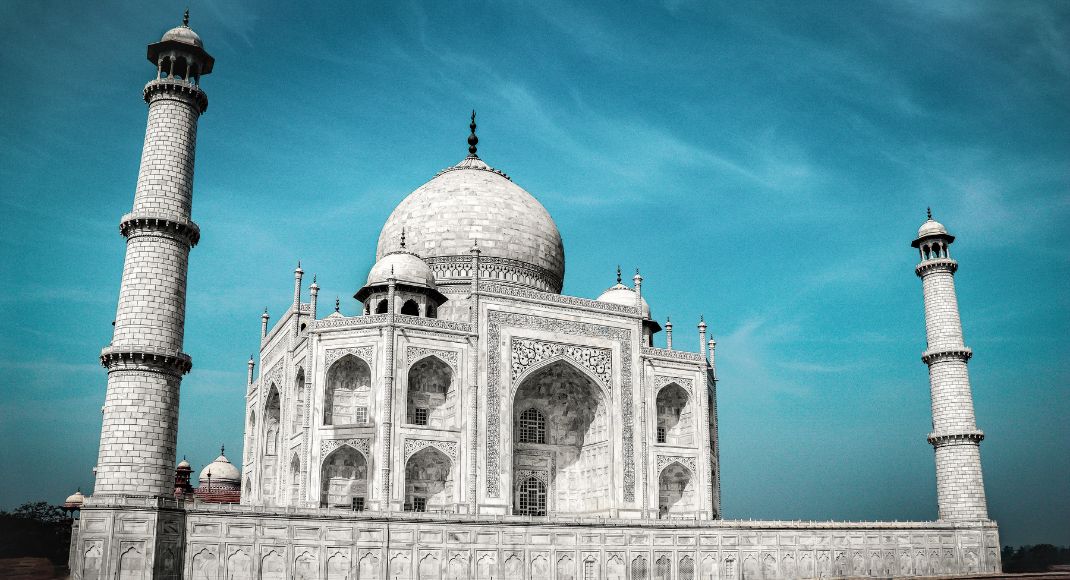
Agra was the Mughal capital itself for much of the 16th and 17th centuries, under Akbar, Jahangir and Shah Jahan, and the Taj Mahal — built by Shah Jahan as a mausoleum for his wife Mumtaz Mahal, completed around 1653 — represents the peak of Mughal architectural ambition. Agra Fort, older and less famous, was the actual seat of Mughal power for decades before the capital shifted.
Jaipur is the outlier of the three in that it wasn't built up gradually over centuries — it was founded in 1727 as a single planned city by Maharaja Sawai Jai Singh II, laid out on a grid according to principles from an ancient Indian architectural text (Vastu Shastra), with wide streets and distinct market quarters. The pink colour that gives it its nickname was applied later, in 1876, to welcome the Prince of Wales, and has been maintained as a matter of civic pride ever since.
The Three Cities at a Glance
| City | Character | Don't-Miss Sights |
|---|---|---|
| Delhi | India's capital — Mughal and colonial history layered with a modern megacity | Red Fort, Humayun's Tomb, Qutub Minar, India Gate, Old Delhi food walk |
| Agra | Built around a single, extraordinary monument | Taj Mahal (at sunrise if possible), Agra Fort, optionally Fatehpur Sikri en route to Jaipur |
| Jaipur | The "Pink City" — Rajasthan's capital, forts and bazaars | Amber Fort, City Palace, Hawa Mahal, Jantar Mantar |
How Long Do You Need — 5 Days vs. 7 Days
Five days is the practical minimum for the Golden Triangle without feeling like you're only seeing the highlights from a moving car window. It gives you roughly a day and a half in each city plus travel time. Seven days is more comfortable, and is usually the difference between "we saw the Taj Mahal" and "we had time to also see Fatehpur Sikri, walk through Old Delhi properly, and spend a second morning at Amber Fort without rushing."
- 5 days: Delhi (1.5 days) → Agra (1 day) → Jaipur (2 days) — efficient but tight, best for travellers with limited time who still want to see the core sights properly
- 7 days: Adds a half-day at Fatehpur Sikri, a fuller two days in Delhi, and breathing room in Jaipur for shopping and a second fort visit
Practical Tips for First-Time India Travelers
- Visa: Most nationalities can apply for an India e-Visa online in advance rather than needing to visit an embassy in person — apply at least a few days before travel
- Money: Cards are widely accepted in hotels and larger restaurants in all three cities, but keep cash on hand for markets, smaller vendors, and monument entry fees
- SIM cards: A local SIM or eSIM is inexpensive and makes navigation and staying in touch with your driver considerably easier than relying on hotel wifi alone
- Dress: Modest clothing (shoulders and knees covered) is expected at religious sites, including the Jama Masjid in Delhi and various temples in Jaipur
- Footwear: Shoes come off before entering the Taj Mahal's inner mausoleum and most temples — slip-on shoes make this considerably less tedious over three cities
- Water: Stick to sealed bottled water throughout, including for brushing teeth in the first few days if your system isn't used to Indian tap water
Common Mistakes First-Time Golden Triangle Travelers Make
A few patterns come up often enough with first-time guests that they're worth flagging directly:
- Booking Agra as a rushed day trip from Delhi. It's technically possible to do Delhi-Agra-Delhi in a single very long day, but it means missing the sunrise Taj Mahal light and turns what should be a highlight into an exhausting logistics exercise. An overnight stay in Agra is worth the extra night.
- Arriving at Amber Fort late morning. The elephant-ride queues and general crowd density at Amber Fort build quickly after around 10am; an early start makes a genuine difference to how much you enjoy the visit.
- Underestimating Jaipur's traffic for cross-city timing. Jaipur is a large, busy modern city around its historic core, and a drive that looks short on a map can take considerably longer at certain times of day — build in buffer time between sights rather than booking them back-to-back.
- Skipping Fatehpur Sikri because it's "just another fort." It's actually a complete abandoned Mughal capital, built and deserted within a single generation (reportedly due to water supply problems), and gives useful context for the rest of the Mughal sites on the route.
Sample 6-Day Golden Triangle Itinerary
- Day 1: Old Delhi — Red Fort, Jama Masjid, a rickshaw ride or walking food tour through Chandni Chowk
- Day 2: New Delhi — Humayun's Tomb, Qutub Minar, India Gate and the government quarter, departing for Agra in the late afternoon or the following morning
- Sunrise visit to the Taj Mahal (the single best-recommended time — cooler, softer light, smaller crowds)
- Agra Fort in the late morning
- Afternoon drive toward Jaipur, stopping at Fatehpur Sikri, the abandoned Mughal capital, en route
- Day 4: Amber Fort in the morning (arrive early to beat both the heat and the crowds), City Palace and Jantar Mantar in the afternoon
- Day 5: Hawa Mahal, bazaar shopping for textiles and jewellery, an optional half-day trip to Nahargarh Fort for sunset over the city
- Day 6: Departure, or continue onward to Ranthambore, Udaipur or Jodhpur if extending your trip
Sample 5-Day (Faster) Itinerary
If seven days isn't available, the route compresses reasonably well into five without cutting any of the three cities entirely — you simply trade some of the extra breathing room for a tighter schedule:
- Day 1: Arrive Delhi, afternoon at Humayun's Tomb and India Gate
- Day 2: Old Delhi in the morning, drive to Agra in the afternoon
- Day 3: Sunrise Taj Mahal, Agra Fort, drive to Jaipur (skipping or briefly passing Fatehpur Sikri rather than stopping fully)
- Day 4: Amber Fort in the morning, City Palace and Hawa Mahal in the afternoon
- Day 5: Bazaar shopping in the morning, departure
The main trade-off in the 5-day version is Fatehpur Sikri, which either gets dropped or reduced to a brief drive-by stop, and a generally tighter pace in Delhi. It's still a genuinely worthwhile trip — just a noticeably faster one than the 7-day version.
Driving Distances & Times
| Route | Distance | Typical Driving Time |
|---|---|---|
| Delhi → Agra | Approx. 230km | 3-4 hours via the Yamuna Expressway |
| Agra → Jaipur | Approx. 240km | 4-5 hours, longer with a Fatehpur Sikri stop |
| Jaipur → Delhi | Approx. 280km | 5-6 hours via NH48 |
All three legs are comfortably done in a single day by private car, and all three roads are well-maintained national highways or expressways — this is one of the more straightforward long-distance drives in India.
Best Time of Year
| Season | Conditions |
|---|---|
| Oct - Mar | The recommended window — cool, dry, comfortable for full days of sightseeing |
| Apr - Jun | Very hot, especially Agra and Jaipur (regularly 40°C+); manageable with early starts but demanding |
| Jul - Sep | Monsoon — humid with periodic heavy rain, greener landscapes but less comfortable travel days |
Private Car vs. Train vs. Guided Group Tour
All three of these cities are connected by train, and the Delhi-Agra leg in particular is well served by fast trains. But most independent travellers doing the full Golden Triangle end up choosing a private car with a driver for the whole loop, for a few practical reasons: your hotel pickup and drop-off is door to door rather than station to station, luggage isn't a hassle between three changes, the car is air-conditioned for the hotter months, and you can add stops like Fatehpur Sikri or a roadside dhaba for lunch without needing to plan around a train timetable. A guided group tour can work well if you'd rather not manage logistics at all, but you lose the flexibility to linger somewhere longer or skip something that doesn't interest you.
Where to Stay in Each City
Delhi's hotel options cluster mainly around two areas useful for this itinerary: Connaught Place and central New Delhi, convenient for sightseeing and generally well connected by road to both the airport and the Agra highway; and the airport-adjacent Aerocity area, more useful if you're arriving on a late flight or need an early departure. In Agra, staying close to the eastern gate of the Taj Mahal makes the sunrise visit considerably easier logistically — some hotels in this area offer rooftop Taj views, which is worth asking about specifically when booking. In Jaipur, the areas around Bani Park and MI Road put you within easy reach of the City Palace and old city bazaars, while a number of converted heritage havelis and small palaces around the city offer a more atmospheric (if pricier) alternative to standard hotel chains.
Food Along the Route
Each city has its own food identity worth building into your itinerary rather than defaulting to hotel restaurants throughout. Old Delhi's Chandni Chowk area is one of India's great street food destinations — parathas, chaat and Mughlai kebabs in particular — and a guided food walk is a genuinely good use of an evening. Agra's local specialty is petha, a translucent candied pumpkin sweet sold throughout the old city, worth trying even if it sounds unusual. Jaipur's food culture leans toward Rajasthani thalis (multi-dish set meals) and street snacks like pyaaz kachori; the old city's bazaars are as good a place to eat as any formal restaurant, provided you choose stalls with visible turnover and fresh preparation.
Extending the Golden Triangle
If you have more than a week, the two most natural additions are Ranthambore National Park, which sits almost exactly between Agra and Jaipur and adds a tiger safari without a significant detour (see our Ranthambore safari booking guide for how to plan it), or Udaipur, reachable from Jaipur in around 6-7 hours by car, which adds Lake Pichola and the City Palace to your trip (see our Udaipur Lake Pichola guide). Jodhpur's Blue City is another popular extension — our Jodhpur walking guide covers that route.
Frequently Asked Questions
Planning Your Golden Triangle Trip With V Care Tours
We run the full Golden Triangle as a single private-car itinerary, from Delhi pickup through to Jaipur drop-off, and can extend it with Ranthambore, Udaipur or Jodhpur if you have more time. See our 5-night Golden Triangle package or 6-night Golden Triangle package for fixed itineraries, or get in touch to build a custom version around your dates.
Contact us for Tailormade Tours. We Reply Same Day.
TRAVEL TIPS FOR RAJASTHAN TOUR PACKAGES
Tours from USA, UK & Australia
Rajasthan Tour Package from USA
Rajasthan Tour Package from UK
Rajasthan Tour Package from Australia
Tours from Canada, Spain & Europe
Rajasthan Tour Package from Canada
Rajasthan Tour Package from Spain
Rajasthan Tour Package from Europe
New Zealand & India from USA, UK
Rajasthan Tour from New Zealand
India Tour Packages from USA
India Tour Packages from UK
RAJASTHAN & INDIA TRAVEL GUIDES
Planning Your Rajasthan Trip
Rajasthan for First Time India Travelers
India Travel Tips for Foreign Tourists
Budgeting for Rajasthan
Weather & Best Time to Visit
Best Value & Best Service Commitment. Always.