
India Travel Tips for Foreign Tourists
Complete first-time India travel guide for international tourists including visas, safety, transport, food, money, SIM cards, scams, cultural etiquette, packing advice, and important travel tips for visiting India comfortably and confidently.
India is one of the world’s most exciting travel destinations offering ancient forts, colorful cities, Himalayan mountains, tropical beaches, wildlife safaris, spiritual experiences, and diverse cultures. However, India can also feel overwhelming for first-time international travelers because of crowds, traffic, cultural differences, and fast-paced environments. Proper planning and practical travel advice can make your India trip smoother, safer, and far more enjoyable.
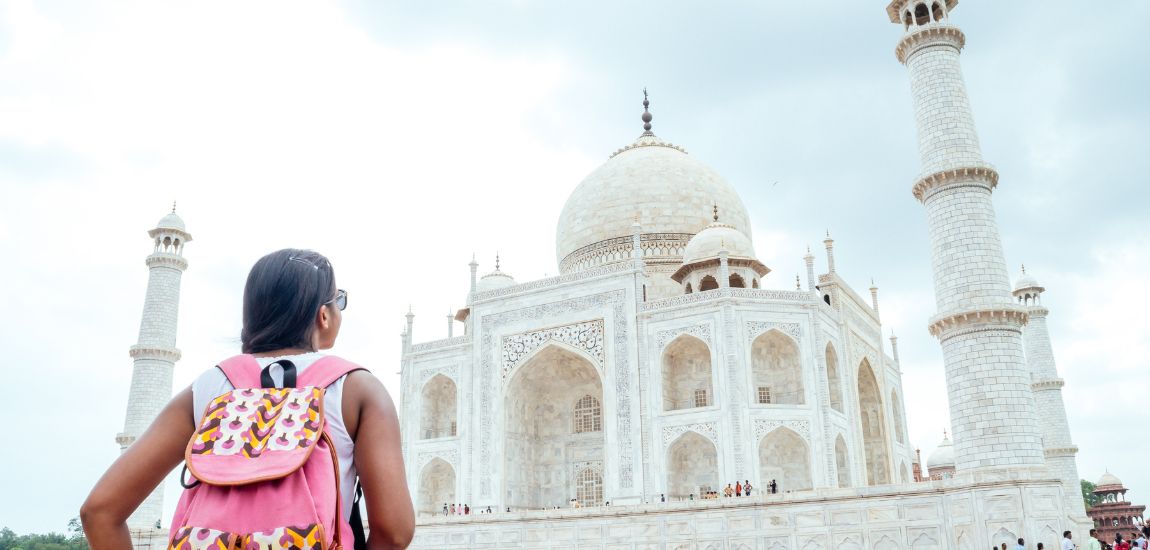
Quick India Travel Overview
| Category | Information |
|---|---|
| Currency | Indian Rupee (INR) |
| Best Travel Season | October to March |
| Main International Airports | Delhi, Mumbai, Bengaluru |
| Time Zone | Indian Standard Time (IST) |
| Plug Type | C, D & M |
| Languages | Hindi & English widely spoken in tourist areas |
First-Time India Travel Advice
India rewards travelers who remain flexible, patient, and open-minded. The country may feel chaotic at times, but it also offers some of the most memorable cultural and travel experiences in the world.
India Visa Tips for Foreign Tourists
Most international travelers visiting India use the India e-Visa system. The process is generally straightforward and allows travelers from many countries to apply online before arrival.
- Apply only through the official Indian government visa website.
- Your passport should generally have at least 6 months validity remaining.
- Carry printed copies of your visa and hotel bookings.
- Check entry airport eligibility before booking flights.
- Apply at least 1–2 weeks before travel.
- Keep digital and printed copies of important documents.
Best Time to Visit India
Winter Season (October to March)
This is considered the best travel season for Rajasthan, Delhi, Agra, Varanasi, and most North Indian destinations. Weather remains pleasant and comfortable for sightseeing.
Summer Season (April to June)
Northern India can become extremely hot during summer. However, hill stations and Himalayan regions remain pleasant.
Monsoon Season (July to September)
Monsoon season brings greenery and lower hotel prices. Kerala, Goa, and mountain areas become scenic during this period.
India Airport Arrival Tips
- Use prepaid taxis or hotel pickup services.
- Avoid random drivers approaching tourists outside terminals.
- Buy a SIM card at the airport if possible.
- Keep your hotel address printed and saved offline.
- Download offline Google Maps before arrival.
- Expect longer immigration queues during peak travel season.

Safety Tips for Foreign Tourists in India
India is generally safe for tourists, but travelers should remain alert in crowded markets, railway stations, and tourist areas.
- Keep valuables secure in crowded places.
- Use verified taxis and rideshare apps.
- Avoid isolated areas late at night.
- Use hotel safes for passports and extra cash.
- Stay cautious of overly friendly strangers offering unsolicited help.
- Women travelers should use trusted transport at night.
Important Safety Tip
Most India travel problems involve scams, overcharging, or confusion rather than serious crime. Staying aware and using verified services greatly reduces travel risks.
Common Tourist Scams in India
Tourist scams exist in some major Indian cities, especially around airports, railway stations, and monuments.
- “Hotel Closed” Scam
- Fake Tourist Offices
- Overpriced Taxi Drivers
- Gemstone & Carpet Scams
- Fake Tour Guides
- Commission-Based Shops
Always verify information independently and book transport or tours through trusted providers.
Transportation Tips in India
Private Driver vs Public Transport
Many first-time visitors prefer hiring a private driver because it is more comfortable, safer, and easier than navigating trains and buses independently.
Train Travel Tips
- Book AC classes for comfort.
- Reserve train tickets early.
- Keep luggage secured.
- Use official IRCTC booking services.
Domestic Flights
India has affordable domestic airlines connecting major cities quickly. Budget airlines often offer very cheap tickets when booked early.
Uber & Ola
Uber and Ola operate in major Indian cities and are usually safer and more reliable than negotiating with local taxis.
India Money & Payment Tips
India mainly uses the Indian Rupee (INR). Major tourist areas accept cards, although small towns and local markets may require cash.
- Carry some cash for local purchases.
- Use ATMs attached to banks.
- Avoid airport currency exchange counters if possible.
- International cards usually work in major cities.
- Notify your bank before international travel.
UPI for Foreign Tourists
India’s digital payment system is growing rapidly and some tourist UPI services are available for international travelers. However, cash is still useful in smaller markets and rural areas.
Internet & SIM Card Tips
Internet access is widely available across India and mobile data is inexpensive compared to many countries.
- Airtel and Jio are popular tourist SIM choices.
- Passport and visa copies are required for SIM cards.
- Airport SIM counters are convenient for travelers.
- Download WhatsApp for communication.
- Use offline maps while traveling.
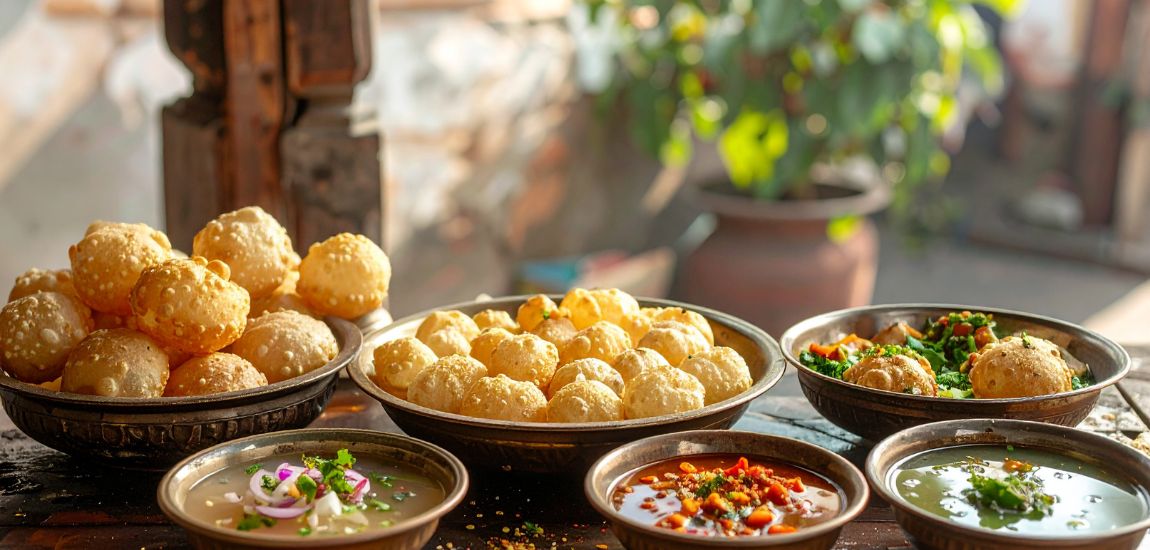
Food & Water Safety Tips
Indian food is diverse and delicious, but travelers should follow basic food safety precautions.
- Avoid drinking tap water.
- Use sealed bottled water.
- Eat at busy and well-reviewed restaurants.
- Be cautious with uncooked street food.
- Carry basic stomach medicine.
- Freshly cooked hot food is usually safest.
Packing Tips for India
Essential Items
- Power adapter
- Portable charger
- Sunscreen
- Basic medicines
- Comfortable shoes
- Hand sanitizer
Clothing Advice
Lightweight and modest clothing is recommended in most parts of India. A scarf or shawl is useful for temples and religious sites.
Cultural Etiquette Tips
- Remove shoes before entering temples.
- Dress modestly at religious places.
- Avoid public displays of affection.
- Use your right hand when eating or giving items.
- Ask permission before photographing people.
India Health & Hygiene Tips
- Buy travel insurance before visiting India.
- Consult your doctor about vaccinations.
- Carry mosquito repellent.
- Stay hydrated in hot weather.
- Use masks in polluted cities if sensitive.
Solo Female Travel Tips in India
Many women successfully travel India independently each year. Extra caution and practical planning help improve safety and comfort.
- Book reputable hotels.
- Use trusted transport services.
- Avoid isolated areas at night.
- Dress conservatively in traditional regions.
- Share travel plans with family or friends.
Useful Apps for India Travel
| App | Purpose |
|---|---|
| Uber | Taxi booking |
| Ola | Local rides |
| Communication | |
| Google Maps | Navigation |
| IRCTC | Train booking |
| Zomato | Restaurant reviews |
Best India Destinations for First-Time Travelers
- Rajasthan
- Delhi
- Agra
- Jaipur
- Udaipur
- Kerala
- Goa
These destinations are popular because they offer strong tourist infrastructure and easier travel experiences for international visitors.
India Budget Travel Tips
- Bargain politely in markets.
- Book flights early.
- Use heritage guesthouses.
- Travel in shoulder season for lower prices.
- Use trains for budget travel.
Common Mistakes Foreign Tourists Make in India
- Drinking tap water
- Overpacking
- Ignoring local customs
- Trusting random strangers
- Traveling too quickly between cities
- Not carrying cash
Emergency Information in India
| Service | Emergency Number |
|---|---|
| Police | 112 |
| Ambulance | 108 |
| Tourist Helpline | 1363 |
Frequently Asked Questions
Plan Your India Tour with Local Experts
Explore Rajasthan, Delhi, Agra, Kerala, and other incredible Indian destinations with comfortable transport, experienced drivers, and customized itineraries for international travelers.
TRAVEL TIPS FOR RAJASTHAN TOUR PACKAGES
Tours from USA, UK & Australia
Rajasthan Tour Package from USA
Rajasthan Tour Package from UK
Rajasthan Tour Package from Australia
Tours from Canada, Spain & Europe
Rajasthan Tour Package from Canada
Rajasthan Tour Package from Spain
Rajasthan Tour Package from Europe
New Zealand & India from USA, UK
Rajasthan Tour from New Zealand
India Tour Packages from USA
India Tour Packages from UK
RAJASTHAN & INDIA TRAVEL GUIDES
Planning Your Rajasthan Trip
Rajasthan for First Time India Travelers
India Travel Tips for Foreign Tourists
Budgeting for Rajasthan
Weather & Best Time to Visit
Best Value & Best Service Commitment. Always.